Early Learning & Preschool
Children learn from birth, so the concept of homeschooling a preschooler is easy to contemplate. Get information on how to make early learning fun and enjoyable for you and your child.
Homeschool Preschool Curriculum
Singapore Math
Singapore Math books are clear, logical, and sequential. There is a strong focus on mental math. Word problems and geometry are integrated throughtout the series. Singapore Math® books are a popular choice of homeschool families and for parents looking for math activity books to support what their child is learning in school. There are also titles to help home educators understand the foundations of Singapore Math® methodology, giving you tools to help your student be successful and have fun.They offer math texts from pre-K to 12th grades. This series challenges children to think through and understand mathematical concepts instead of simply memorizing facts and algorithms. One of the benefits of using this program is its affordability. The textbooks are inexpensive and are reusable. The consumable workbooks are priced so that even families with multiple children using this program will find it affordable.
Math on the Level
Math on the Level is a flexible, maturation-based, homeschool math curriculum with a very effective review system. It's unique approach is designed to turn your home environment into a rich, real-life learning experience and make math education meaningful and fun for your whole family.
- Teach when it is easy for your child to learn
- Use everyday activities to make math real
- Review for long term retention without busywork
Numbers Plus - Preschool Mathematics Curriculum
The Numbers Plus Preschool Mathematics Curriculum is a comprehensive set of detailed plans for small- and large-group early childhood mathematics activities, with ideas for extending learning throughout the program day. What’s special about Numbers Plus is that children’s mathematical learning is sequenced within activities — each activity has a built-in progression so children of different developmental and ability levels can participate together and have a positive and meaningful learning experience. By actively engaging young children with materials and ideas, Numbers Plus builds on the latest knowledge from research and practice about early mathematics learning and how adults support it.
JumpStart Free Preschool Curriculum
Preschool is a time of rapid growth and development. While the preschool curriculum is designed keeping in mind the physical and intellectual developmental characteristics of 2 – 5 year olds, there are certain milestones that most preschoolers should achieve before they begin kindergarten.
Life of Fred
This set of books is unlike any other textbooks. Each text is written in the style of a novel with a humorous story line. Each section tells part of the life of Fred Gauss and how, in the course of his life, he encounters the need for the math and then learns the methods. Tons of solved examples. Each hardcover textbook contains ALL of the material – more than most instructors cover in traditional classroom settings. Includes tons of proofs.
Written by Dr. Stanley Schmidt with the intent to make math come alive with lots of humour, clear explanations, and silly illustrations that stick in the mind. The student will learn to think mathematically.
Completion of this series prepares student for third year college math.
Alpha Omega Publications Mathematics Resources for Homeschoolers
These workbooks help teach pre-K concepts such as time, counting, and more.
Time4Learning
The Time4Learning preschool program combines technology, animated characters, original stories and fun music to inspire a love of learning in the littlest e-learners. Ed Mouse and his friends guide children through more than forty topics such as numbers, letters, rhymes, self, time, music and colors.
Five in a Row
Five in a Row provides a step-by-step, instructional guide using outstanding children's literature for children ages 4-8. Unit studies are built around each chosen book. There is a series for preschoolers called "Before Five in a Row," along with other volumes for older children.
Math-U-See Primer
In the Primer level your child will learn not only how to write numerals but also addition and subtraction, basic counting, skip counting, geometric shapes, telling time, and they will be introduced to the manipulative block system. It’s a gentle introduction to "doing math."
JumpStart Free Math Curriculum
Homeschooling parents will find that when it comes to choosing the curriculum for math, there is a huge variety available. In fact, the number of math curriculums available to choose from may make choosing the right one difficult. These supplemental math activities for grades K-5 are fun ways to incorporate more math into your homeschooling.
Things to See & Do in Idaho with Preschoolers
Tautphaus Park Zoo
The Tautphaus Park Zoo is located in Idaho Falls. Watch the flock of threatened African Penguins as they swim in their pool, experience a wallaby mob on the move, or surround yourself with sights and sounds of South American birds in the walk-through aviary. Stop by the Children's Zoo and pat a donkey, feed a lamb or just relax on a bench and enjoy the beautifully landscaped grounds.
Discovery Center of Idaho
Have fun exploring science at the Discovery Center of Idaho, located in Boise. Features over 160 hands-on science exhibits, day camps, and a science education resource center.
Zoo Boise
Zoo Boise offers animal exhibits and educational programs for all ages.
Resources

Bead Sequencing Set
Stack the durable, brightly colored wooden beads on 5 hardwood dowels in sequence to match the design on one of the pattern cards. Builds complex reasoning skills as well as sorting and coordination. Includes over 45 brilliantly colored beads, 5 dowels, and 10 patterns that increase in difficulty.

Pattern Blocks and Boards
This set of 10 simply designed colorful wooden blocks and pattern boards includes 100 blocks in six different shapes and colors. They help develop shape recognition and spatial relationship skills. The contents store neatly in a durable wooden case. This games was awarded the Scholastic Parent & Child's 2004 "Top 22 Toys that Make Kids Think" award.
Explode The Code
Explode The Code provides a sequential, systematic approach to phonics in which students blend sounds to build vocabulary and read words, phrases, sentences, and stories. Frequent review of previously learned concepts helps increase retention. Each workbook in this series contains exercises that incorporate reading, writing, matching and copying. The consistent format of the books helps facilitate independent work. This series includes primers—Get Ready for The Code, Get Set for The Code, and Go for The Code—which introduce initial consonant sounds. In addition, Beyond The Code provides a comprehension component introducing basic comprehension skills with phonetically controlled stories. You'll find product information here.
Happy Phonics
Happy Phonics uses games to teach early reading skills. Simple yet entertaining and educational, these phonics games are printed on colorful, sturdy cardstock ready to cut out. Included is a mother-friendly guidebook which contains details on how to teach phonics and reading, how to pronounce and teach the phonics sounds, how to make your own simple beginning readers, and step-by-step teaching information for each phonics sound. Happy Phonics covers beginning to advanced phonics.
Bob Books
Bob Books are organized into sets that progress in level as your child learns. They have cute stories and darling illustrations. These books are perfect for children ages 4 to 8.
Preschool/Early Learning Games and Activities
Helping Your Child Learn Mathematics
This booklet is made up of fun activities that parents can use with children from preschool age through grade 5 to strengthen their math skills and build strong positive attitudes toward math.
Models of 3-D Solids
These printable 3-D models are easy to use. They are pdf files that can be printed out to construct prisms, pyramids, platonic solids, polyhedra, and more.
40 Awesome Number Activities for Preschoolers
Number activities for preschoolers don't have to be boring and just worksheets. Make them fun so your preschooler will love math. These number activities help with identifying numbers, counting and one to one correspondence.
Adding Fun
With just a few inexpensive supplies, you can make this simple adding activity for your preschooler.
Math Songs
These cute math songs help young children learn about addition, money, time, and skip counting.
Flower Power Patterns for Preschool and Early Childhood
Practice patterning with this spring-themed set of pattern boards. children will be able to determine the next picture in the pattern and will be able to continue the pattern on each of the boards.
Handprint Measuring and Number Lines
A simple activity to teach measuring and number lines. Easy to put together and understand.
Let's Count! Learning Numbers in Multiple Ways
This great video shows different activities that can be used to teach young children how to count.
Online Games for Learning Math, Logic and Strategy
A list of games that make learning math concepts fun and easy.
Place Value with Beads
Learn the concept of 10s with these simple bead and pipe cleaner manipulatives.
Number Chants and Counting Songs: Teaching Early Mathematics Skills, Shapes, Money and Telling Time
A selection of songs and lyrics from a variety of different albums teaching how to count, recognize shapes, use the concept of zero, use units of measurement and money.
Counting Tubes
The fun and colorful tubes are a great way to practice 1:1 correspondence, counting, and numbers.
PBS Kids Math Games
This is a huge collection of online math games for preschool and elementary aged kids.
Montessori Spindle Box
Make this counting spindle board with simple materials from around your home. Teaches counting and grouping.
Easy Preschool Activities for busy Moms and Teachers
We all have busy lives, yet we want the most productive preschool activities for our children with as little fuss as possible. Here you'll find activities to stimulate gross motor skills, preschool songs, activities to develop visual perception, numeracy, and mathematical concepts, language building activities, and children's bible lessons and faith building activities.
Math With Legos: Preschool Roll and Count
Use 1 x 1 Lego bricks and a 12-sided math die to encourage counting and learning.
20 Preschool Math Activities
Children should gain an understanding of math concepts at an early age. This can best be done through every day life experiences and through play. these are great ways to introduce math concepts to kids in fun way. Many of the activities are also appropriate for kindergarten and the early elementary years.
Board, Card and Dice Games for Learning Math, Logic and Strategy
This list is a great start to incorporating fun activities and games into your homeschool math curriculum.
Free Printable Ten Frame Cards
Learn 10s with these free printable cards that offer a fun way to practice. Read about different ways to use the cards for enjoyable math games to teach this concept.
Lego Challenge Math Activity-Free Printable
Practicing math skills like spatial awareness and geometry can be fun, especially when the math activity involves Legos! Here’s a free printable math challenge for kids using Lego or Duplo bricks!
Preschool Worksheets and Printables
Free Printable Ten Frame Cards
Learn 10s with these free printable cards that offer a fun way to practice. Read about different ways to use the cards for enjoyable math games to teach this concept.
Lego Challenge Math Activity-Free Printable
Practicing math skills like spatial awareness and geometry can be fun, especially when the math activity involves Legos! Here’s a free printable math challenge for kids using Lego or Duplo bricks!
Making Learning Fun
This early childhood education website is filled with free printables designed to make learning fun.
Making Learning Fun Math Ideas
Fun and free printables that are great for preschoolers. These activities make learning fun!
Free Printable Preschool Worksheets
Free printable preschool worksheets for learning to write the alphabet, numbers and bible memory verses, plus free printable colouring pages and more!
Preschool Math Printables
These printables are free and help provide extra support for teaching preschool math. You'll find calendars, number tracing cards, number mats, patterns, and more.
Preschool Math Worksheets and Printables
Preschool math worksheets help your young learner develop essential early math skills. From number recognition to counting to addition, preschoolers learn a lot about numbers in one year. Our collection of preschool math worksheets is designed for kids who want to build skills that will prepare them for kindergarten and beyond. These preschool math worksheets help present new number topics to kids in a way that's fun and easy to understand. Help foster a culture of learning by doing these preschool math worksheets with your child.
Support for Parents of Preschoolers
Field Trips 101
Field trips can inspire your child to study a topic, give him further insights into his current studies, or provide closure to a completed unit. Is there somewhere you’d like to take your children to reinforce a topic this year? Or just want to visit because it would enrich their lives? If you let your support group (or even just a few other families) know that you are planning to go and they are welcome to tag along (think: group rate)—voila! You’re planning a field trip!
CharlotteMasonKindergarten
A group for Charlotte Mason Mom's using the curriculum outline suggested in Karen Andreola's summer of 93 Parent's Review titled, "A Formidable List of Attainments for a Child of Six", and also trying to complete the Kindergarten Skills list as described in Catherine Levison's book, A Literary Education.
Homeschoolers Teaching Kindergarten
This discussion list is for homeschoolers teaching preschool and kindergarten. Topics include curriculum selection (whether necessary or not), teaching tips, creative learning ideas, time management, unit studies, homeschooling books, neat craft ideas, cooking tips for all occasions, support those who have homeschool burn out, or those who are just starting to homeschool.
CM4primaryyears
To discuss the Charlotte Mason method of homeschooling elementary age children, and to share the joys and concerns of everyday life.
Homeschooling Preschool Teaching Tips & Ideas
Why Preschool Shouldn't Be Like School
houldn't very young children be allowed to explore, inquire, play, and discover? Perhaps direct instruction can help children learn specific facts and skills, but what about curiosity and creativity—abilities that are even more important for learning in the long run? hile learning from a teacher may help children get to a specific answer more quickly, it also makes them less likely to discover new information about a problem and to create a new and unexpected solution.
Homeschooling Preschoolers
Learning at home begins at birth for children. The preschool years can be the most enjoyable time of year to homeschool—children are self-motivated, eager to learn, naturally inquisitive and curious about everything. In this article Teri Ann Berg Olsen gives some great ideas for creating a learning environment in your home, how to incorporate learning into play, and lists several games that can help your child learn while playing.
Preschool Math: All Sorts of Sorting
Parents may think counting and recognizing numbers are the nuts and bolts of preschool math. While these are important skills for young mathematicians to master, building a foundation for complex mathematical thinking begins in the early childhood years. Sorting and classifying objects helps children begin to notice how items are alike and different, and creates an awareness that is vital for math learning.
Simple Tips for Summer Math Learning
Summer reading clubs and story times can help with early literacy and reading, but it might seem daunting to figure out how to prepare a young child for math. Here’s the great news: you’re the right person for the job.
Pre K Teaching Strategies and Early Childhood Education
Young children are unique creatures who love nothing more than to experience everything from tactile, hands-on items to feeling the wind in their faces as they jump off a wall. They are all about hiding under blankets to see what happens if they walk through the house like a ghost or playing safari and taking pictures with their imaginary camera.
Way to Learn Math Naturally
These are ideas and strategies to incorporate math learning into everyday life.
Teaching Young Children at Home
How do you teach young children? What do you do all day? How do you provide a "stimulating environment"? These questions are asked frequently by parents of young children who understand the immense magnitude of what it means to take responsibility for their child's education.
Math for Preschoolers: More Than Just Counting
Preschool-age children are ready to explore more than one might think! Parents often focus on counting from one to ten, but there are many other skills that children are ready and able to investigate.
Developmental Milestones for Preschool Mathematics
Children’s ability to understand mathematics takes a big leap forward in the preschool years. Their strengthening ability to represent using manipulatives, symbols, and signs opens up many new possibilities. Children also make strides in algebra and patterning. They can sequence events in time by age three. By age four, they can re-create patterns or make their own repeating pattern. During the preschool years, the child’s ability to problem solve takes on a new zeal. Children’s ability to classify objects is more developed; they can sort and organize objects into different categories and tell which pile has more. This chart details the skills that children can exhibit at different ages.
Board, Card and Dice Games for Learning Math, Logic and Strategy
This list is a great start to incorporating fun activities and games into your homeschool math curriculum.
Preschool Math: Exploring Patterns
Patterns are all around us, from the clothing we wear to the repeating patterns found in nature and everyday routine. Patterning is also a basic math skill upon which many mathematical concepts are based. Times tables, addition and skip counting all require an understanding of and proficiency in patterning. In preschool, identifying and creating patterns is just the beginning of the mastery of life-long mathematical skills.
Mathematics in Pre-K
Young preschool children are active learners, naturally curious and ready to engage in mathematical learning. They approach math with excitement and curiosity, if the practices are age-appropriate, engaging, and involve hands-on, minds-on learning approaches.
Tips for Frazzled Homeschool Moms
Any homeschooling family with more than one child knows the challenge of keeping “Baby Kong” from tearing apart the house during school time. These tips help with how to deal with those unruly toddlers and make it through this difficult and often exhausting stage of homeschool life.
A Poetry Unit for Preschoolers
This free unit study for preschoolers features poems found in Shel Silverstein's Where the Sidewalk Ends as a text for 10 poetry lessons. Each lesson refers to a poem (so it helps a lot to have access to that book), includes an activity suggestion, and instructions for a writing project (mostly poems). You can use all the lessons, or just a couple.
Should I Try a Curriculum for My Preschool Child?
This article explains why formal homeschooling is often not the best choice for your very young child. Avoid burnout by enjoying the process of learning and living.
Math Play: How Young Children Approach Math
Mathematical experiences for very young children should build largely upon their play and the natural relationships between learning and life in their daily activities, interests, and questions.
Making your Own Homeschool Preschool Curriculum
Need a homeschool preschool curriculum? Have you thought about homeschooling your child – but aren’t sure you have what it takes to persevere? Homeschooling during the preschool ages is a great way to try everything out and see if it’s going to work for your family.
Homeschooling preschool children also has many side benefits. It gives you something constructive to do during those long daytime hours while your husband is at work. And it will help you bond with your children in a way that nothing else will. Watching your preschooler learn and grow is a wonderful experience – and one that you and your child will both enjoy.
You can purchase a great homeschool preschool curriculum that is all ready to go, if that’s what you’re interested in doing. Or, you can come up with activities on your own.
Homeschooling Kindergarten Math
Teaching math to young learners at home can be successful if you respond to your child. Children learn best when they aren't forced to learn. Introduce them to ideas, books, educational television, and most importantly, show them how this stuff is used in everyday life. they will catch on and learn it at their own pace.
Instill a Love of Math
Parents are bombarded with messages to read with their children, but it’s rare to hear about the importance of doing math with them. Here are some helpful tips on why and how to instill a love of math in your children.
Field Trips 101
Field trips can inspire your child to study a topic, give him further insights into his current studies, or provide closure to a completed unit. Is there somewhere you’d like to take your children to reinforce a topic this year? Or just want to visit because it would enrich their lives? If you let your support group (or even just a few other families) know that you are planning to go and they are welcome to tag along (think: group rate)—voila! You’re planning a field trip!
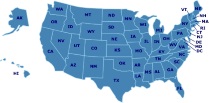
Looking for Another State?
Featured Resources
As an Amazon Associate, we earn from qualifying purchases. We get commissions for purchases made through links on this site.

Guiding Your Catholic Preschooler
There can be no greater delight in parenting than passing on the Faith to the next generation. To help with that glorious responsibility comes Guiding Your Catholic Preschooler, a parents handbook to home-based religious instruction for the youngest members of the family. Filled with practical ideas, developmental guidelines, and a contagious enthusiasm for the treasures of the Catholic Faith, this exciting guide makes raising truly Catholic kids one of life s greatest pleasures. Recommended in ...

Dr. Montessori's Own Handbook
A short, illustrated guide to the use of Montessori classroom materials. Describes how to set up a "children's house" - an environment for learning where children can be their own masters.

Homeschooling Essentials: A Practical Guide to Getting Started
If you're ready to begin homeschooling, then the experiences of others can offer valuable help and encouragement as you jump into this new adventure. This practical guide answers common questions, helps you navigate the legalities of homeschooling, talks about the practical side of homeschooling and different methods, offers resources and gives advice about high school.
Montessori International
Montessori International is the magazine for all parents and teachers. Montessori International magazine is a high quality colour education magazine with a Montessori focus and a truly child-centred approach. The magazine is for Montessori parents, nursery owners, teachers, and students with an interest in Montessori education.

Teach Me to Do It Myself: Montessori Activities for You and Your Child
Based on the key Montessori principle that children learn best through active experience, Teach Me to Do It Myself presents simple activities through which children explore and develop their skills. These skill areas include sensory perceptions, body coordination, language, understanding of numbers, and movement. This practical, color-illustrated parenting book is filled with activities and instructions for overseeing children as they carry out a variety of learning activities. Most activities w...